Modular houses represent a fascinating and innovative approach to modern living. When exploring “what is a modular house,” it's essential to understand its core features. These homes are pre-fabricated in sections, allowing for quick assembly. They offer flexibility in design, appealing to diverse lifestyles. While they promise efficiency, some might question their aesthetic appeal compared to traditional homes.
The modular construction process results in cost-effective solutions for homebuyers. However, building quality can vary significantly among manufacturers. Some modular houses lack the unique charm of site-built homes. Others may fall short in customization options. Yet, many find the trade-offs acceptable for faster construction times and lower costs.
Understanding the benefits and limitations of modular homes is crucial. Potential buyers should research various designs and materials before making a choice. This exploration of modular houses highlights both promise and potential shortcomings, ultimately guiding informed decisions in the housing market.
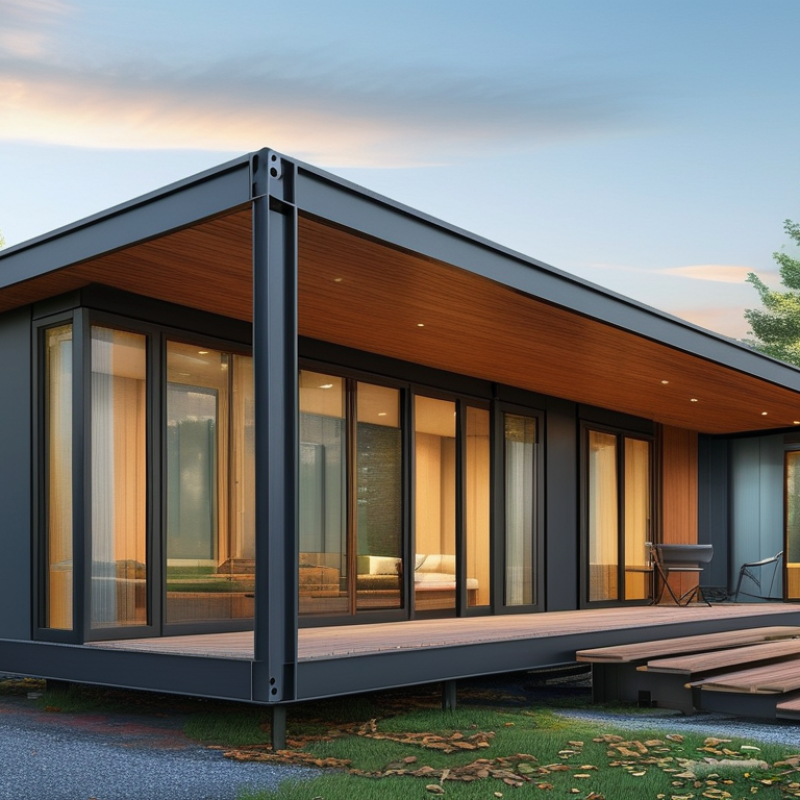
Modular houses are an innovative approach to home building. They differ from traditional homes in several key ways. Unlike conventional construction, modular homes are built in a factory setting. This process allows for better quality control. In fact, studies indicate that modular homes can be constructed 30% faster than traditional homes.
One significant difference lies in the materials used. Modular homes often use sustainable materials. Reports suggest that 80% of all materials can be reused, reducing waste. Traditional homes, on the other hand, contribute more to landfill issues.
The design flexibility of modular houses is notable. Homebuyers can choose from a variety of layouts and features. Yet, customization can be limited due to factory constraints. A potential downside is that some buyers feel modular homes lack the character of traditional builds.
Nonetheless, the efficiency and cost-effectiveness of modular homes attract many. It's essential for prospective buyers to weigh these factors before making a decision.
Modular houses offer unique advantages when compared to conventional construction methods. One significant benefit is time efficiency. Modular construction can be completed in 30-50% less time. The Modular Building Institute reports that modern technology allows for parallel construction, reducing site work. This means you can move into your home faster, which is crucial for many buyers.
Cost savings are another key benefit. According to a report by McKinsey & Company, modular construction can lower labor costs by 20-30%. The controlled factory setting leads to fewer delays and reduced waste. Moreover, modular homes often use quality materials that are durable and energy-efficient, resulting in long-term savings on utility bills.
However, it’s essential to recognize some challenges. Customization options might be limited compared to traditional builds. Also, financing for modular homes can be tricky. Not all lenders are familiar with this type of construction, leading to complications in securing loans. These issues require careful consideration before making a decision.
Building a modular house involves a precise and systematic process. It begins with planning the design and selecting a suitable location. Unlike traditional homes, modular houses are constructed off-site in sections, or "modules," which are then transported to the building site. According to a report from the Modular Building Institute, modular construction can reduce build time by 30% to 50%. This efficiency allows homeowners to move in more quickly.
Once the modules arrive, they are assembled on a foundation. This stage requires coordination between various teams to ensure a seamless build. Within a few days, the structure could be completed. However, not all modules are equal; some may lack energy-efficient features crucial for long-term savings. Always verify energy ratings before finalizing choices.
**Tip:** Consult with local experts on zoning laws and building codes. This can prevent delays and costly modifications.
After construction, finishing touches like plumbing and electrical work are done. It is vital to prioritize quality workmanship during this phase. Some modular homes might have craftsmanship issues that require additional attention. Always schedule a thorough inspection.
**Tip:** Keep communication open with the building team. Regular check-ins can enhance trust and quality control.
| Aspect | Details |
|---|---|
| Definition | A modular house is a prefabricated structure built off-site in a factory setting. |
| Building Process | Involves designing, production, transportation, and assembly on-site. |
| Customization | Modular homes can be customized to fit specific needs and preferences. |
| Duration | Typically faster to build than traditional homes, often completed in a few months. |
| Cost | Generally more affordable than conventional construction methods. |
| Sustainability | Often more energy-efficient and environmentally friendly due to controlled construction environments. |
| Insurance | May have different insurance requirements compared to traditional homes. |
| Financing | Financing options can vary; some may be treated like conventional homes. |
| Resale Value | Resale value can be comparable to traditional homes, depending on market conditions. |
| Regulations | Must comply with local zoning and building codes just like traditional homes. |
Modular houses often face misconceptions that cloud their true potential. One common myth is that they are low-quality structures. In reality, modular homes are built to the same standards as traditional houses. According to the Modular Building Institute, over 90% of modular home buyers report satisfaction with their purchase. This statistic highlights the quality and craftsmanship involved in modular construction.
Another misconception is the belief that modular homes are all prefabricated in a factory and delivered as a whole. In fact, they are constructed in sections, allowing for customization during the process. The National Association of Home Builders notes that modular homes can be as diverse in design as any traditional home. Yet, potential buyers often overlook this flexibility.
Some also worry about the resale value of modular homes. Reports from housing experts indicate that modular homes can appreciate in value similarly to traditional ones, depending on location and market conditions. However, it’s important to research local housing markets. Buyers should be mindful of whether modular homes have strong resale opportunities in their desired areas. This nuanced understanding can guide prospective homeowners in making informed decisions.
Modular houses are gaining attention for their sustainability. These homes are often built using eco-friendly materials. Many designs prioritize energy efficiency, reducing the overall carbon footprint.
Well-designed modular houses utilize natural light. This can decrease the need for artificial lighting. Proper insulation helps maintain temperatures, reducing heating and cooling costs. Systems like solar panels further enhance energy efficiency, complementing their sustainable design.
However, there are challenges in modular house construction. Not all designs consider local climates, potentially leading to energy waste. It's essential to evaluate the materials used. Even eco-friendly materials can harm the environment if sourced unsustainably. The balance between cost and sustainability is crucial. Some homeowners might sacrifice one for the other.
Despite these concerns, modular houses offer a flexible option for eco-conscious individuals. Each design can adapt to local regulations and environmental needs. This adaptability may not solve all issues, but it reflects ongoing efforts toward greener living. Awareness of both strengths and weaknesses is key. The journey towards sustainability in modular housing is complex yet necessary.
: Modular houses can be completed in 30-50% less time than conventional construction.
They lower labor costs by 20-30% and reduce waste due to controlled factory settings.
Customization may be limited compared to traditional builds, which can be a drawback for some buyers.
Not all lenders are familiar with modular construction, complicating the loan securing process.
It involves planning, off-site module construction, assembly on-site, and finishing touches like plumbing.
Always verify energy ratings of the modules to ensure they have efficient features.
Many modular homes are built using sustainable materials, but sourcing must be considered.
Yes, they often prioritize energy efficiency, but local climate considerations are important.
Craftsmanship issues might arise, so thorough inspections and quality checks are necessary.
Regular communication with the building team can improve trust and quality control.
A modular house is a prefabricated structure built in sections, or "modules," that are assembled on-site. This construction method differs from traditional homes, which are typically built entirely on-site. Key benefits of choosing modular houses include reduced building time, lower costs, and flexibility in design. The construction process involves several steps, from initial planning and manufacturing to final assembly, ensuring efficiency and quality control.
Common misconceptions about modular houses often stem from outdated perceptions of quality and durability. However, modern modular homes are designed with sustainability and energy efficiency in mind, often featuring advanced materials and technologies. Overall, understanding what is a modular house reveals a viable and innovative option for those seeking an alternative to conventional home building.

Eky Home