Modular House vs Manufactured Home Which is Better for You?

Time:2026-07-25 Author:Oliver
0%

When considering the options for affordable housing, the debate of modular house vs manufactured home often arises. Both types offer unique benefits and challenges. A modular house is built in sections in a factory and then assembled on site. This method allows for greater customization and quality control. On the other hand, a manufactured home is fully constructed in a factory and transported to the location. It typically has a lower cost and quicker setup time.

However, discerning which option is better for you requires careful thought. The construction process, materials, and long-term value differ significantly. Modular homes may provide a more traditional feel, while manufactured homes offer convenience and affordability. It’s essential to reflect on your lifestyle and budget when making this choice.

Understanding the differences in quality, design, and regulations can guide your decision. Each option has its pros and cons, making it crucial to weigh them against your personal needs. Ultimately, the choice between a modular house vs manufactured home can define your living experience for years to come.
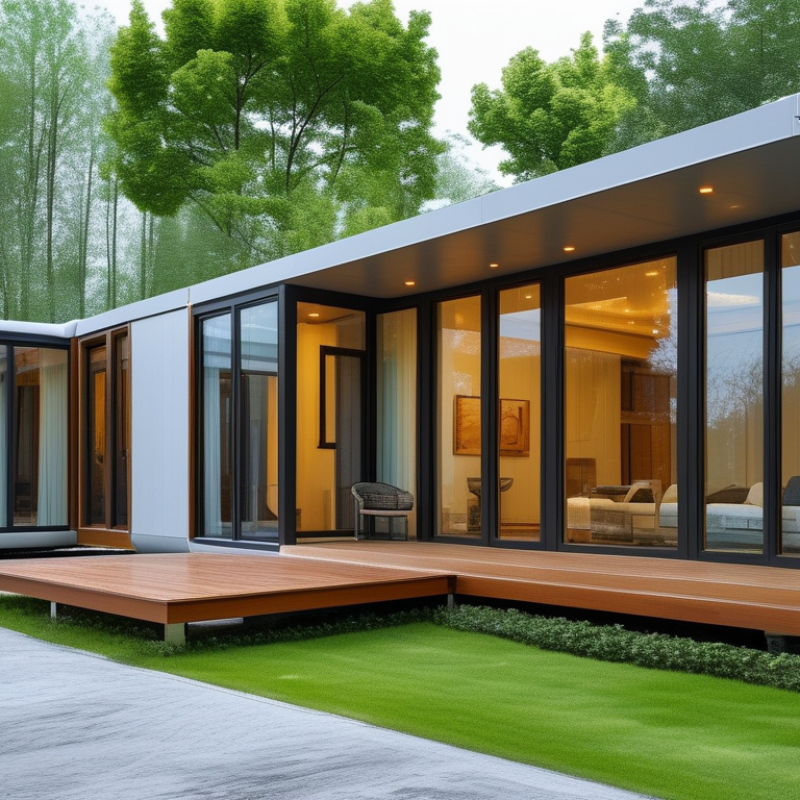
Modular House vs Manufactured Home Which is Better for You?

Definition and Key Features of Modular Homes

Modular homes are an increasingly popular choice for those seeking affordable and customizable living options. Unlike traditional homes, these structures are built in sections, or modules, in a controlled factory environment. This method significantly reduces construction time, allowing homeowners to move in faster. According to the Modular Building Institute, modular construction can cut project timelines by 30-50%.

These homes typically feature high-quality materials and adhere to the same building codes as site-built homes, ensuring safety and durability. They offer energy efficiency and can incorporate modern designs. A report by the U.S. Department of Energy indicates that modular homes often achieve better energy performance levels compared to traditional homes. This is a valuable aspect for environmentally conscious buyers.

However, modular homes come with some challenges. Customization options can be limited compared to traditional homes, which may disappoint some buyers. The resale value can fluctuate based on location and market trends. Reports show that while some modular homes appreciate in value, others may not. It's essential to consider these factors carefully when making a decision.

Modular House vs Manufactured Home: Key Features Comparison

Definition and Key Features of Manufactured Homes

Manufactured homes are a popular choice for many buyers today. These homes are built in a factory setting and transported to the site. One key feature is their affordability, often cheaper than traditional homes. They typically come with modern amenities and can be customized to fit personal style.

Another important aspect of manufactured homes is their construction process. They are built to high federal standards, ensuring safety and quality. Some people may question the longevity of these homes, but they are designed to withstand various weather conditions. However, maintenance is vital, as wear and tear can occur over time.

While many appreciate the advantages, there are challenges as well. Land ownership can be a concern for buyers. Not all lots are suitable for these homes. Also, finding financing can be more complicated compared to conventional houses. It’s essential to weigh these factors carefully before deciding. Each choice carries its own benefits and drawbacks.

Comparative Analysis of Construction Processes

When considering modular houses and manufactured homes, the construction process sets them apart significantly. Modular homes are built in sections in a factory. These sections are transported to a site for assembly. This process utilizes precise engineering, ensuring consistent quality. Factory controls reduce waste and improve efficiency. They also allow for custom designs that meet specific needs.

On the other hand, manufactured homes are built entirely in the factory. They are often less expensive, appealing to budget-conscious buyers. However, their construction can sometimes sacrifice durability for cost. Transportation to site can impact the overall condition. Both options have their advantages and limitations in terms of construction speed and design flexibility.

Choosing between these options requires careful thought. Each has its unique construction process that influences longevity and lifestyle. Consider the environment and the available land. Think about your long-term goals. Reflect on the overall value and quality of life each type can provide for you.

Cost Considerations: Modular vs Manufactured Homes

When considering the costs of modular homes versus manufactured homes, several key factors come into play. Modular homes generally cost between $100 to $200 per square foot. This price range reflects their customizable nature and the higher quality materials used. In contrast, manufactured homes can start as low as $50 per square foot, appealing to those on a tight budget. However, it’s crucial to analyze ongoing costs associated with each option, such as land acquisition and utility setups.

Tip: Always factor in local zoning laws and land costs. Even a great deal on a home can turn into a financial burden if the land isn't affordable.

While modular homes may have a higher upfront cost, they often appreciate in value more effectively than manufactured homes. The National Association of Home Builders reports that modular homes can retain up to 80% of their value over ten years. This is in stark contrast to manufactured homes, which can lose value significantly due to depreciation. If long-term investment matters, modular options may offer a better return.

Tip: Research the resale market for both home types in your area. This insight can help gauge potential future value and demand.

Ultimately, making the right choice involves more than just initial costs. Reflect on your long-term goals and property preferences. Understanding the nuances of both home types will help you navigate a complex housing market.

Long-term Value and Resale Potential of Each Home Type

When considering long-term value and resale potential, both modular houses and manufactured homes present unique advantages and challenges. Modular houses, built to local codes, often appreciate in value over time. They can provide sturdiness and energy efficiency. Homebuyers may find modular homes appealing for their durability and design flexibility. Many people appreciate the personalized touch these homes offer. However, their initial costs can be higher, which may deter some buyers.

On the other hand, manufactured homes typically have a lower upfront cost. They are quicker to set up, making them an attractive option for those seeking immediate housing. However, the resale potential can be limited. Many manufactured homes face depreciation, especially if they are located in less desirable areas. The perception around manufactured homes can also affect resale value. Buyers often associate them with lower quality, which can impact selling prices down the line.

It's essential to weigh these factors. Think about your long-term plans and how each option aligns with your goals. Some people find value in the immediate affordability of manufactured homes. Others may prioritize the investment potential of modular homes. Consider your lifestyle and preferences as you explore these options. Individual experiences and market conditions can significantly influence your decision.

Modular House vs Manufactured Home: Long-term Value and Resale Potential of Each Home Type

Feature Modular House Manufactured Home
Average Cost per Square Foot $120 - $250 $50 - $100
Building Code Compliance State and Local Codes HUD Code
Financing Options Conventional Mortgage Chattel Loan or Virginia Mortgage
Resale Value Good (up to 90% of initial value) Depreciates significantly (20-30% in first few years)
Customization Options High (fully customizable) Limited (modest selections)
Construction Time 3-6 months 2-4 months

FAQS

: What are modular homes?

: Modular homes are built in sections in a factory. They're customizable and often affordable.

How quickly can you move into a modular home?

Modular construction can cut project timelines by 30-50%. This allows faster occupancy.

Are modular homes durable?

Yes, they adhere to the same building codes as traditional homes. They use high-quality materials too.

Do modular homes have energy efficiency benefits?

Many modular homes achieve better energy performance levels. This is a plus for eco-conscious buyers.

What are the limitations of modular home customization?

Customization options can be limited. This may disappoint buyers seeking unique designs.

How does resale value compare to traditional homes?

Resale value can fluctuate based on location. Some modular homes appreciate, while others do not.

What is the difference between modular and manufactured homes?

Modular homes are built in sections, while manufactured homes are entirely factory-built.

Can manufactured homes be a budget-friendly option?

Yes, manufactured homes are often less expensive. However, they may sacrifice some durability.

What should I consider when choosing between modular and manufactured homes?

Reflect on long-term goals, land availability, and your desired quality of life.

What challenges do modular homes face?

Limited customization and variable resale values can be potential concerns for buyers.

Conclusion

When comparing a modular house vs manufactured home, it's essential to understand their definitions and key features. Modular homes are pre-fabricated structures built to local building codes and transported to the site for assembly, while manufactured homes are built entirely in a factory and must meet federal standards. The construction processes for each differ significantly, with modular homes generally perceived to have a more robust construction due to adhering to specific local regulations.

Cost considerations also play a vital role in the decision-making process, as modular homes can often be more expensive upfront but may offer better long-term value. In terms of resale potential, modular homes typically have higher appreciation rates compared to manufactured homes, which can impact future investment value. Ultimately, the choice between a modular house vs manufactured home depends on individual budget, preference for construction quality, and long-term appreciation goals.

Oliver

Oliver

Oliver is a seasoned marketing professional with a wealth of expertise in driving brand awareness and engagement. With a deep understanding of our company's product offerings, he consistently delivers high-quality content that enriches our professional blog. His insights not only shed light on......