In recent years, the popularity of modular houses has surged, raising an important question: are modular houses worth buying? According to a report by the National Association of Home Builders, modular homes can be built up to 30% faster than traditional homes. This speed often translates into cost savings for buyers, making modular options increasingly appealing.
Expert Bob McCoy, a leader in the modular housing industry, emphasizes, "Modular homes offer a flexible and efficient solution for modern living." His insights reflect a growing recognition of the benefits these homes offer. They can meet diverse needs while maintaining quality standards. However, potential buyers should consider the long-term implications. Are the materials as durable as traditional structures? What about resale value? These questions highlight the need for careful examination.
While modular homes can provide faster construction times and lower initial costs, it is vital to weigh these benefits against potential drawbacks. Understanding local regulations and zoning laws is crucial before making a commitment. Ultimately, determining if modular houses are worth buying requires thorough research and personal reflection on one’s housing goals.
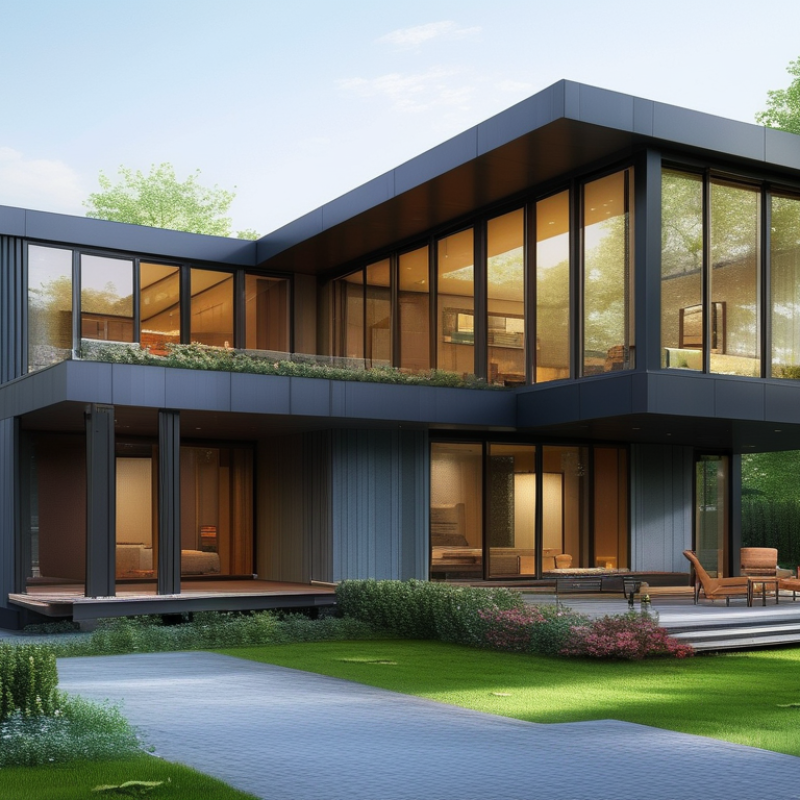
Benefits of Modular Houses Compared to Traditional Homes
Modular houses offer a unique solution for modern living. They are built off-site in sections, which are then transported and assembled on location. This process allows for quicker construction times compared to traditional homes, often reducing build times by several months. Many buyers appreciate this efficiency, especially in a fast-paced housing market.
Cost savings are another significant benefit. Modular homes typically have lower costs per square foot. This affordability allows for more design choices and higher quality materials. However, some buyers may worry about the resale value. It’s important to research local markets. The perception of modular homes varies, which can affect long-term investments.
Customization is also a notable advantage. Modular homes can be tailored to fit personal needs and preferences. From the layout to finishes, homeowners can create unique spaces. But potential buyers should remain cautious. Quality can differ among manufacturers. Always check the builder's reputation. It’s essential to review past projects and customer feedback to ensure reliability.
Cost Considerations: Is Investing in Modular Homes a Smart Choice?
Investing in modular homes can be a smart choice for many buyers. These homes are typically more cost-effective than traditional builds. A modular home can save you time and money during the construction process. They are built in sections, allowing for quicker assembly on-site. This efficiency often results in lower labor costs.
However, there are important factors to consider. The initial price might be attractive, but hidden costs can arise. Land acquisition, permits, and utility connections can significantly add to the overall expense. Make sure to budget for these additional items. It's crucial to research local zoning laws and compliance as well; not all areas welcome modular homes.
Quality is another area prone to variability. Not all modular homes are created equal. Some builders prioritize cost over quality, potentially leading to issues down the line. It’s essential to vet builders thoroughly. Inspect their past projects and check references. This due diligence can help avoid unexpected problems after purchase. Ultimately, a modular home can be a worthwhile investment if approached with careful planning and consideration.
Durability and Longevity: How Do Modular Homes Stand Up Over Time?
Modular homes are becoming a popular choice for many homebuyers. They are built in sections and assembled on-site, which can streamline construction time. However, their durability often raises questions. How do these homes hold up over the years?
One of the key factors in the longevity of modular homes is their construction process. They're built to meet strict building codes, often more rigorously than traditional homes. This can result in a sturdier structure overall. Yet, some may argue that they lack the flexibility in design that traditional homes offer. Personalization can be limited in modular designs, affecting the overall feel of the home.
It's essential to consider maintenance. While modular homes may resist wear and tear better than others, they are not invincible. Owners need to engage in regular upkeep to ensure their homes last. For instance, roof inspections and foundation checks must not be overlooked. Inadequate maintenance can lead to significant problems down the road. Understanding these aspects is vital for anyone considering a modular home for long-term living.
Customization Options: Tailoring Your Modular Home to Fit Your Needs
Customization is a key feature of modular homes. They allow homeowners to tailor designs according to unique preferences. According to the Modular Home Builders Association, nearly 80% of buyers seek customizable options. This trend shows that personalization is a major driving force in purchasing decisions.
Modular homes offer various customization alternatives. Homeowners can select layouts, materials, and finishes that resonate with their style. Many choose eco-friendly options, aligning with a growing 2019 study showing that 67% of home buyers prefer sustainable choices. Nevertheless, customizing can increase costs. Some buyers report spending up to 15% more on personalization, leading to budget concerns.
The flexibility of modular homes is notable. They can accommodate growing families, changing lifestyles, and even future expansions. However, potential buyers often overlook zoning regulations and land restrictions, which can impact their plans. Seeking expert advice before making decisions is advisable to avoid pitfalls. Ultimately, the modular model fits well with the need for adaptability in modern housing.
Are Modular Houses Worth Buying for Your Next Home? - Customization Options: Tailoring Your Modular Home to Fit Your Needs
| Customization Option |
Description |
Estimated Cost |
Time Required |
| Floor Plan Design |
Alter the layout of rooms to fit personal needs. |
$2,500 - $5,000 |
1 to 2 months |
| Exterior Finishes |
Choose siding materials, colors, and styles. |
$3,000 - $8,000 |
1 month |
| Interior Upgrades |
Select high-end fixtures, finishes, and appliances. |
$5,000 - $15,000 |
2 months |
| Energy Efficiency Packages |
Add insulation, solar panels, and eco-friendly systems. |
$4,000 - $12,000 |
1 to 3 months |
| Landscaping Options |
Plan garden design, trees, and outdoor features. |
$1,500 - $5,000 |
1 month |
Environmental Impact: Are Modular Houses a Sustainable Living Option?
Modular houses are gaining attention for their potential sustainability. These homes are built in sections, or modules, in a factory before being transported to building sites. This process can reduce waste significantly, which is a crucial factor in addressing environmental concerns. Factories can recycle materials more efficiently than traditional construction sites.
However, the environmental impact is not entirely positive. The construction process requires energy, often from non-renewable sources. Moreover, transport emissions come into play when moving modules. These aspects pose questions about the overall sustainability of modular homes. The choice of materials also greatly influences their ecological footprint. Some modular houses use eco-friendly materials, while others do not.
Living in a modular home can mean smaller energy consumption. These homes often incorporate energy-efficient systems and designs. They may also require less land than traditional houses, preserving natural spaces. Yet, it is essential to consider each project individually. Factors like location and materials used are pivotal. Balancing benefits with drawbacks remains key in choosing a sustainable living option.
Environmental Impact of Modular Houses Compared to Traditional Houses
This chart compares the environmental impact of modular houses versus traditional houses across four key metrics: carbon emissions, energy use, waste generated, and water use. Modular houses generally show a significant reduction in impacts, suggesting they could be a more sustainable living option.
Conclusion
When considering a new home, many potential buyers are asking, "are modular houses worth buying?" This question encompasses various factors, including the benefits of modular homes compared to traditional constructions. Modular houses often provide significant cost savings, which can make them an appealing investment for budget-conscious buyers. Additionally, they boast durability and longevity, standing up well over time with proper maintenance.
Customizability is another major advantage, allowing homeowners to tailor their spaces to meet personal needs and preferences. Furthermore, modular houses are increasingly recognized for their potential environmental benefits, offering a sustainable living option as they often utilize eco-friendly materials and efficient building processes. Ultimately, these factors contribute to the growing interest in modular homes, prompting many to reevaluate their position regarding this housing choice.

 Eky Home