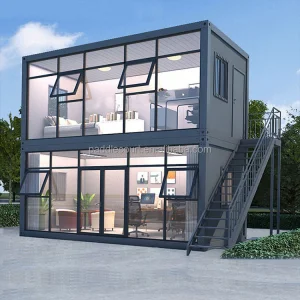
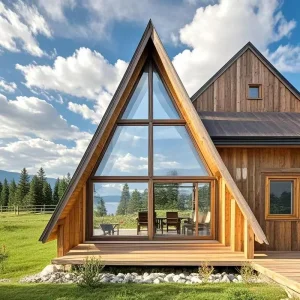
Explore our top four heavy-duty modular units, engineered to meet local zoning requirements and structural safety guidelines in East Africa.
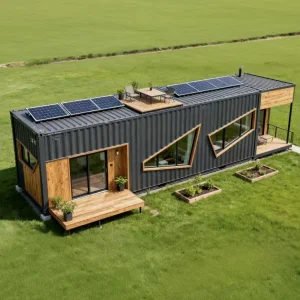
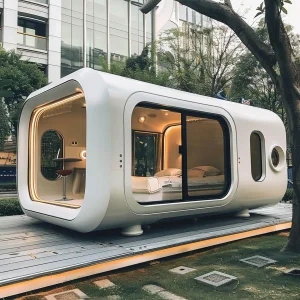
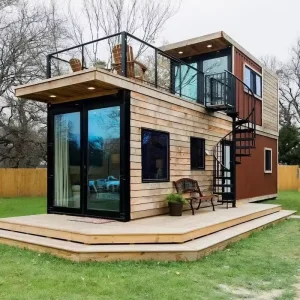
Kenya is currently undergoing one of its most transformative construction eras. Fueled by demographic growth, a major urban housing deficit, and a rising tourism economy focused on sustainable luxury, developers and municipal bodies are transitioning away from traditional brick-and-mortar methodologies. Traditional construction in cities like Nairobi, Kisumu, and Mombasa is often plagued by slow completion rates, logistics challenges, and material quality variances. This creates a critical entry point for high-engineered modular structures designed to withstand local environmental realities while reducing execution timeframes by up to 70%.
Our research and client portfolio reveal three dominant sectors driving the consumption of prefabricated structures in the Kenyan market:
Unlike standard modular templates, our cabins engineered for Kenya feature specialized structural adaptations: high solar reflectance index (SRI) roof coatings to mitigate direct equatorial heat in places like Kisumu, and dual-layer polyurethane (PU) insulation profiles to retain warmth during chilly nights in high-altitude zones like Limuru and Nyeri.
Deploying structures in Kenya requires strict adherence to localized geological and atmospheric factors. Ningbo Eky Home Co., Ltd. customizes its structural profiles to guarantee long-term asset security:
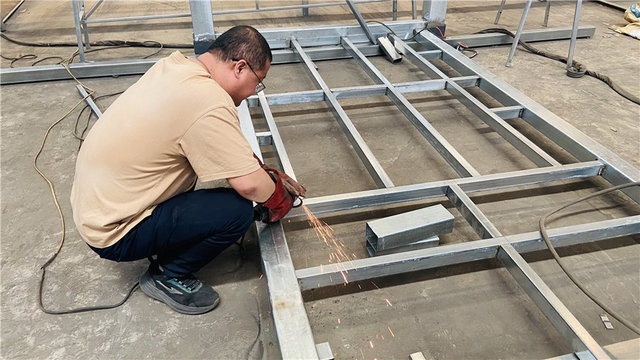
Seismic Structural Calculations: Since the Great Rift Valley is structurally active, our prefabricated frame configurations implement flexible joint design systems. The primary chassis comprises Q235B/Q345B galvanized structural steel that maintains structural elasticity during minor seismic events, outperforming brittle brick-and-mortar counterparts.
Anti-Corrosion in Coastal Zones: Cabins installed within Mombasa, Malindi, or Lamu are subject to extreme atmospheric salinity. Eky Home applies a hot-dip galvanization process (minimum 275g/m² zinc coating) supplemented by electrostatically applied marine-grade epoxy coatings. This guarantees a lifespan exceeding 25 years without structural integrity decay.
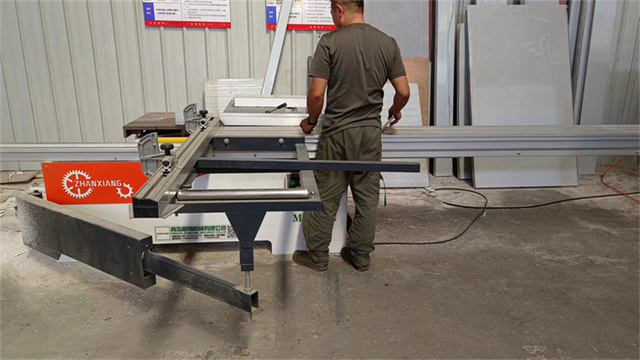
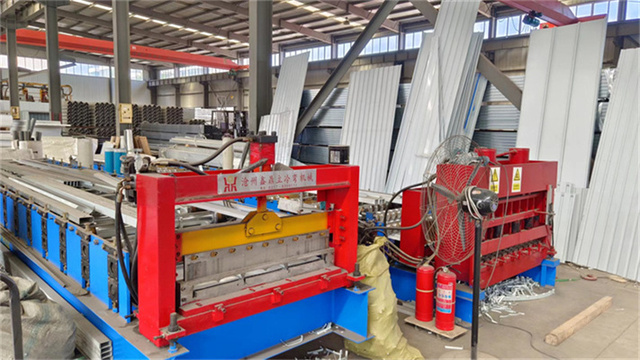
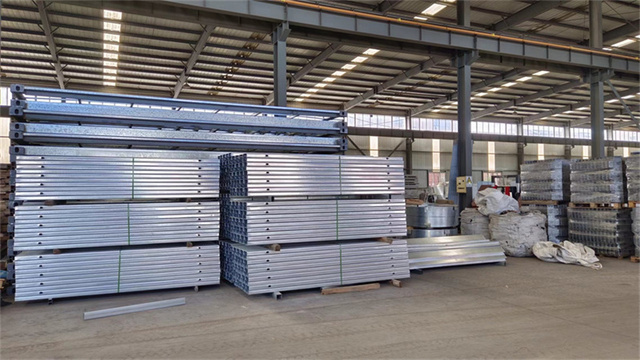
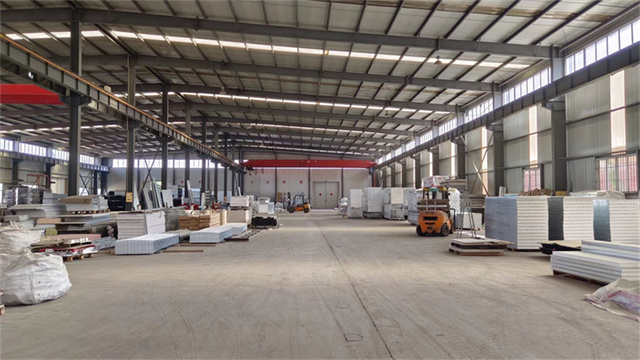
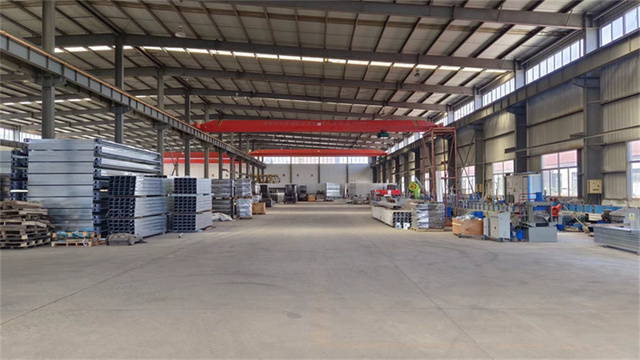
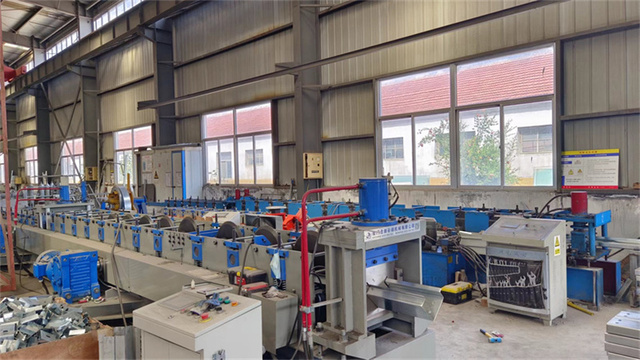
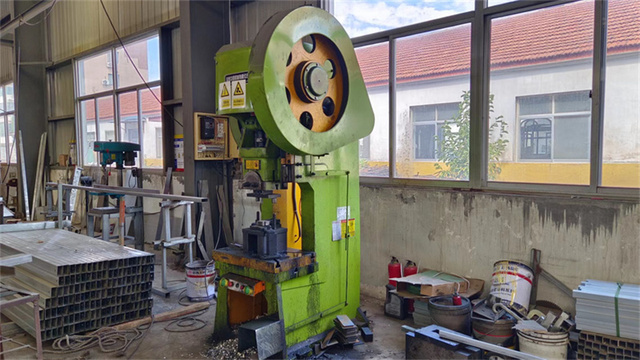
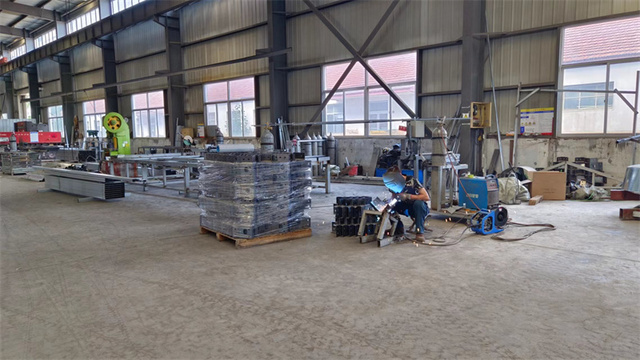
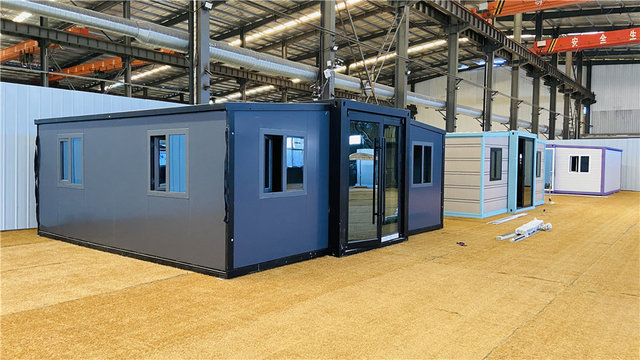
By leveraging Eky Home’s advanced production facility in Ningbo, Kenya-based clients bypass the inefficiencies of local material inflation and scarcity. Our manufacturing complex features:
From rapid-deploy folding shelters to multi-bedroom luxury residences, explore the full spectrum of our engineering options available for import to Kenya.
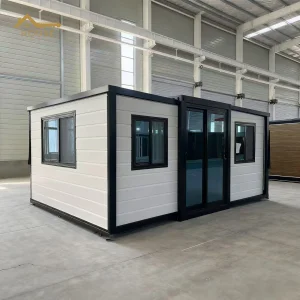
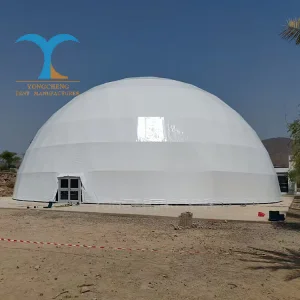
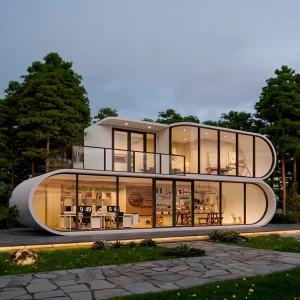
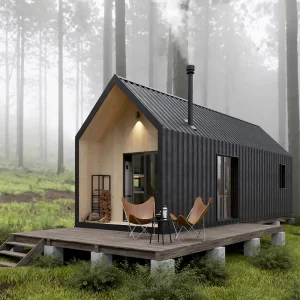
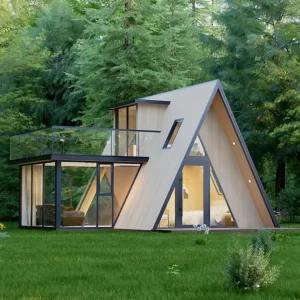
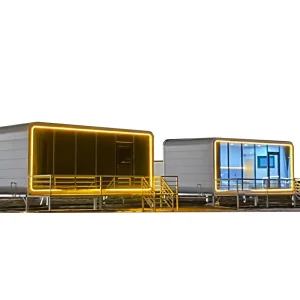
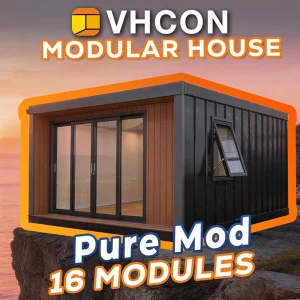
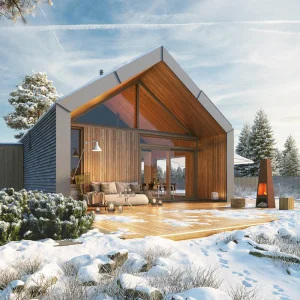
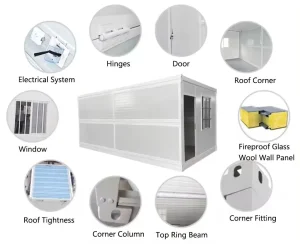
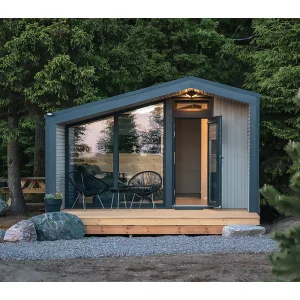
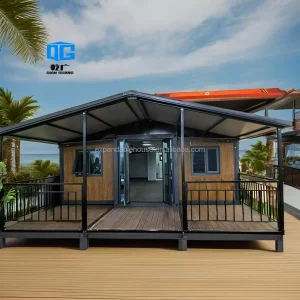
Importing modular systems into Kenya demands an understanding of regional construction frameworks. Ningbo Eky Home Co., Ltd. provides comprehensive certification and logistics coordination to ensure seamless site delivery and compliance.
In Kenya, structural works must register under the National Construction Authority (NCA). Our modular structural drawings are computed according to Eurocode 3 (Design of steel structures) and Eurocode 4 (Design of composite steel and concrete structures), which are recognized by the Engineers Board of Kenya (EBK) and local county planning departments (e.g., Nairobi City County Council). We furnish comprehensive load calculation sheets, foundation design schemas (typically concrete strip or pier foundations), and electrical layout diagrams. This technical documentation simplifies the local approval pathway for developers.
Our prefabricated packages prioritize safety and quality, aligning with local standardization goals. For instance, integrated electrical systems are compliant with BS 7671 (standard wiring regulations recognized by Kenya Power), and we source structural panels under strict ISO 9001:2015 quality management procedures, assuring fire-resistance ratings of up to 120 minutes (Class A fire rating for rockwool wall panels).
Our logistic division coordinates directly with clearing agents at Mombasa Port. Once cleared, containers are transported inland:
Get professional answers on structural lifespans, shipping logistics, local Kenyan customs clearance, and structural adaptations.
We load our modular structures at Ningbo Port or Shanghai Port, shipping directly to the Port of Mombasa. The ocean transit time spans approximately 22 to 28 days. Once cleared through customs, structures are transported via the Standard Gauge Railway (SGR) to Nairobi or via specialized heavy flatbed trucks to the final site.
Yes. In regions with black cotton soil (common around Nairobi and parts of the Rift Valley), we recommend concrete pier or strip foundations. These foundations keep the galvanized steel chassis elevated from ground moisture and distribute structural loads securely. Eky Home provides exact structural weight calculations to help local engineers design foundations effectively.
Our cabins feature advanced thermal insulation options, such as high-density Polyurethane (PU) sandwich panels or Rockwool cores. The roofs are engineered with integrated drainage channels and waterproof membranes (minimum 1.5mm PVC/EPDM) to prevent water ingress during intense rainy seasons.
Yes. Many of our clients in remote conservation areas (e.g., Maasai Mara) operate off-grid. During fabrication, we can pre-engineer roof structural supports to accommodate solar PV frames, design battery storage rooms, and run specialized wiring channels for direct solar inverter integration.
Yes. We manufacture our steel structures to satisfy British Standards and Eurocodes, which form the base framework for the Kenya Building Code. We supply structural drawings, steel grades certifications (Q235B/Q345B), and fire-test certificates to assist with local county development applications.
Every shipment includes step-by-step 3D assembly guides, video manuals, and detailed structural component diagrams. For large-scale developments (like mining camps or resorts), we can deploy supervisors to the site to train local labor and verify correct structural assembly.
Get in touch with our global project engineering team today to receive detailed layouts, material certifications, and shipping estimates for Kenya.
Send Inquiry Now Eky Home