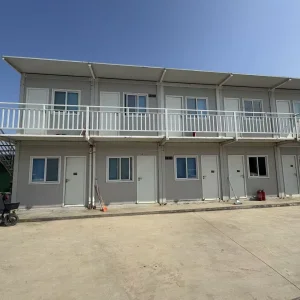
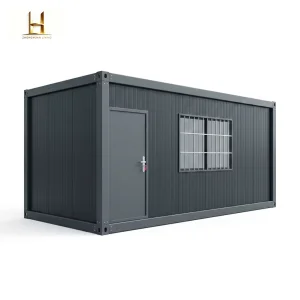
The commercial real estate landscape is undergoing an unprecedented structural transition. Driven by rapid infrastructure demands, the rising cost of traditional on-site labor, and strict municipal zoning guidelines, global organizations are shifting toward modular off-site solutions. Compact Office Modules have emerged from simple utility shacks into highly engineered, architecturally sound, and thermally efficient workspaces. Built under controlled factory environments, these systems allow developers to achieve parallel site processing, reducing overall construction timelines by 30% to 50%.
Contemporary modular office units represent a convergence of structural durability (built with light gauge steel or heavy-duty galvanized structural frames) and high-performance building physics. Utilizing advanced sandwich wall assemblies, multi-layered glazing, and smart MEP (Mechanical, Electrical, and Plumbing) systems, modern producers deliver office modules that comply fully with localized building codes, such as the International Building Code (IBC) and EN 1090 structural standards.
In this whitepaper, we dissect the manufacturing landscape, examine the critical parameters for global procurement, and profile the standard-bearers of quality engineering. From rapid flat-pack deployments to customized high-end space capsules, the range of available configurations guarantees that procurement managers can optimize their investments according to precise environmental and financial requirements.
Decarbonization, flexibility, and intelligent automation are reshaping industrial modular construction. For modern enterprises, acquiring a compact office module is no longer just a purchasing decision—it is a long-term integration into corporate ESG (Environmental, Social, and Governance) roadmaps.
Energy regulations demand lower U-factors. Modern factories are moving from EPS panels to high-density Rockwool and Polyurethane (PU) insulation cores to drastically lower HVAC consumption.
Standardized sizing compatible with logistics frameworks allows factories to stack, connect, and customize cabins rapidly, minimizing the space needed during sea transport.
Pre-wired electrical conduits, dynamic network switching boxes, integrated USB ports, and LED sensor arrays are now directly integrated during the structural manufacturing phase.
As a prime representative of the top manufacturing capability in East China, Ningbo Eky Home Co., Ltd. is a professional manufacturer of modular houses, prefabricated homes, and portable building solutions. With years of expertise in modular construction and advanced manufacturing capabilities, they provide innovative, cost-effective, and sustainable building systems for customers across residential, commercial, industrial, and public infrastructure sectors.
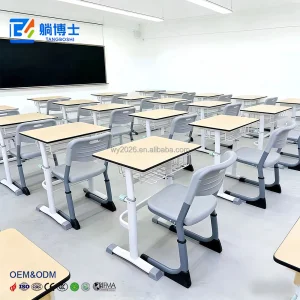
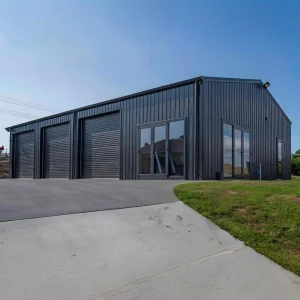
Eky Home's comprehensive product portfolio includes modular houses, prefabricated homes, portable cabins, expandable houses, container houses, modular villas, site offices, worker accommodation, classrooms, healthcare facilities, commercial buildings, hotels, security houses, storage buildings, and customized modular construction projects. Designed for rapid installation and efficient transportation, their products help reduce construction time, labor costs, and environmental impact while maintaining exceptional structural strength and long-term reliability.
At Eky Home, they combine modern production technology with strict quality management throughout every manufacturing process. The experienced engineering team offers comprehensive OEM and ODM services, including customized floor plans, structural engineering, insulation systems, electrical and plumbing integration, interior finishing, exterior cladding, and project-specific solutions tailored to different market requirements.
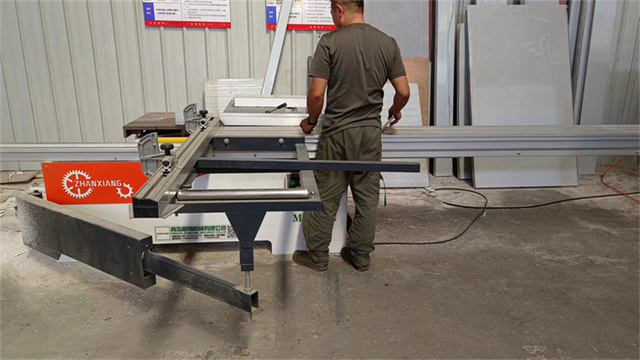
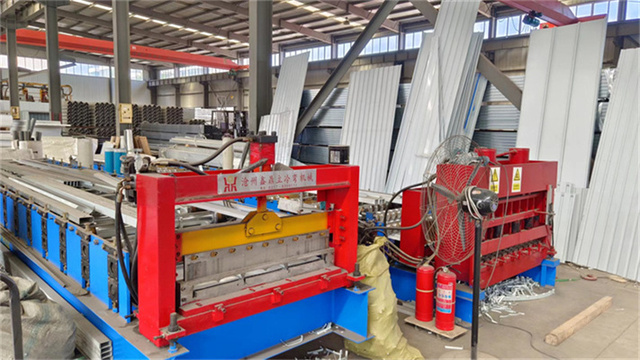
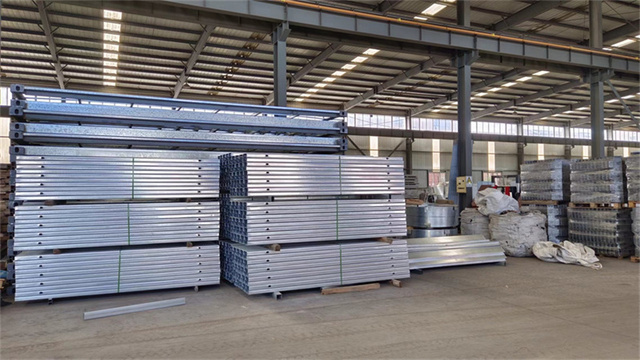
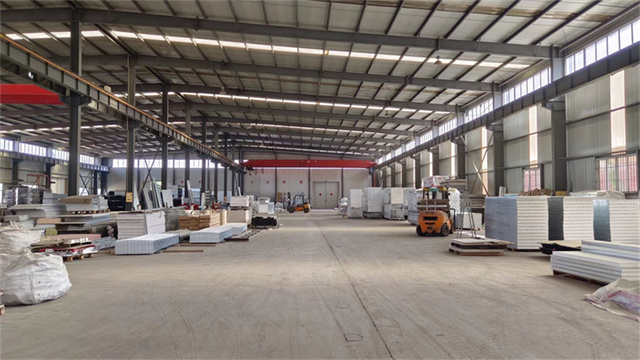
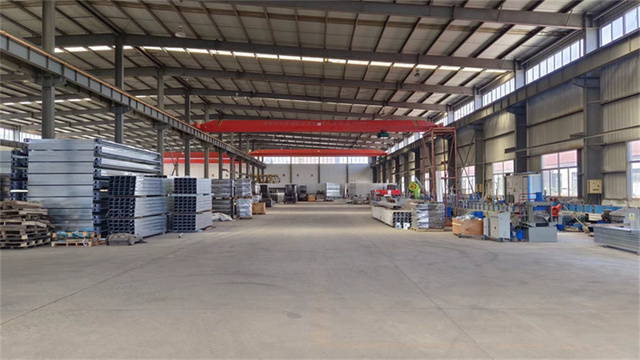
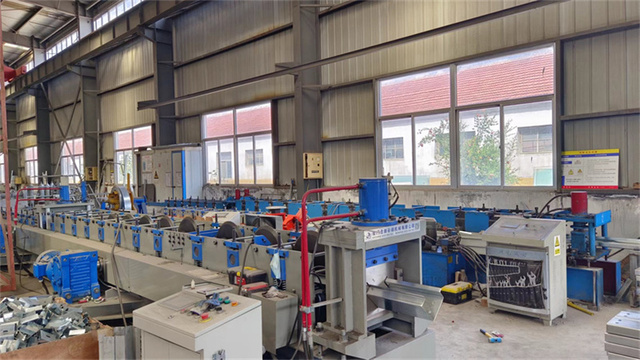
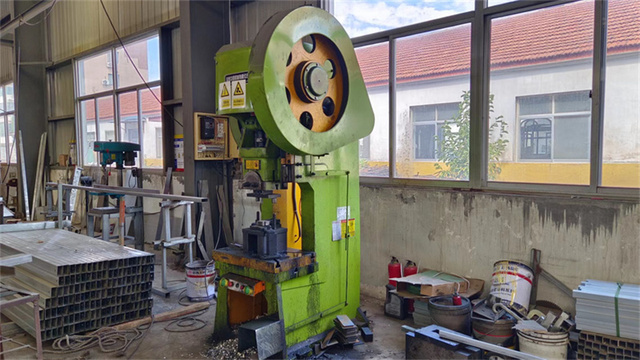
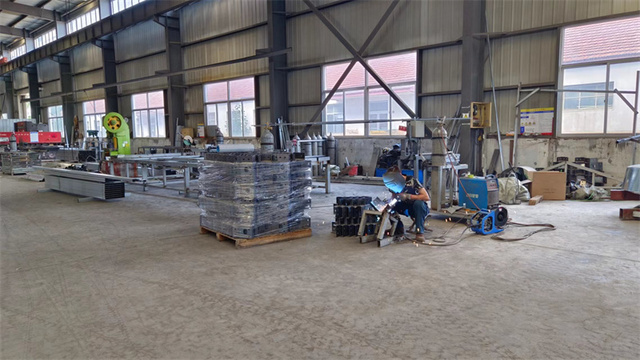
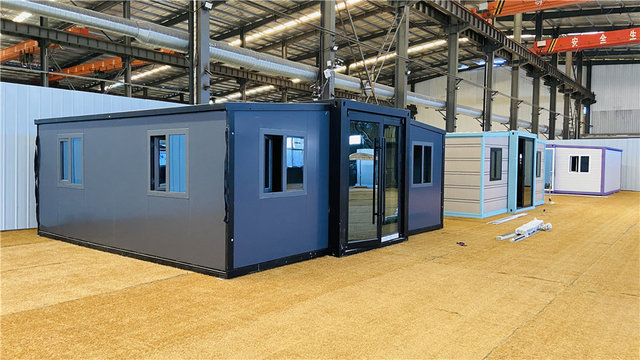
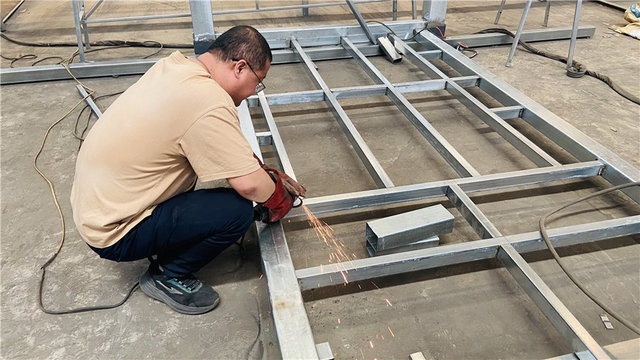
Their modular buildings are manufactured using premium galvanized steel structures, high-performance insulated panels, and quality building materials that comply with international standards. They offer excellent resistance to corrosion, earthquakes, strong winds, and harsh climates while providing superior thermal insulation, energy efficiency, and low maintenance.
Eky Home's modular construction solutions are widely applied in residential communities, construction camps, mining projects, educational institutions, healthcare facilities, tourism resorts, commercial developments, government infrastructure, disaster relief housing, and temporary office projects. Today, their products are exported to Europe, North America, South America, Southeast Asia, the Middle East, Africa, and Oceania, where they have established long-term partnerships with contractors, developers, distributors, and engineering companies.
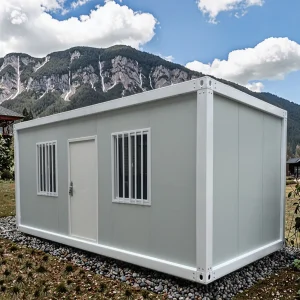
When evaluating different compact office module suppliers, procurement teams must analyze structural steel grades, anti-corrosion treatments, and wall insulation choices. The table below represents standard structural profiles available across premium Chinese manufacturers:
| Module Type | Core Structural Material | Wall Panel Options | Seismic Resistance | Corrosion Protection |
|---|---|---|---|---|
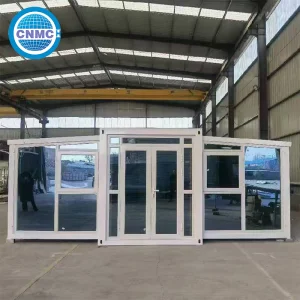
| Flat-Pack Container Office | Q235 / Q345 Galvanized Steel | 50-100mm Rockwool/EPS Sandwich | Magnitude 8 | Primed & Powder Coated (120g/m²) |
| Detachable Workspace | Cold-rolled Galvanized Section | Glass Wool or Polyurethane | Magnitude 7-8 | Hot-Dip Galvanizing (Z275 class) |
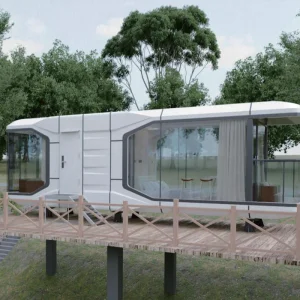
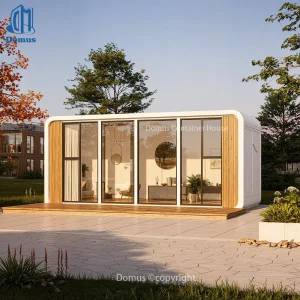
| Futuristic Space Capsule | Heavy Steel Frame & Aluminum Shell | Multi-layer PU Spray & Vacuum Glazing | Magnitude 9 | Fluorocarbon (PVDF) Coated Panel |
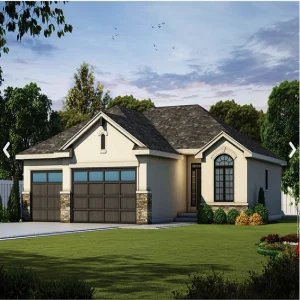
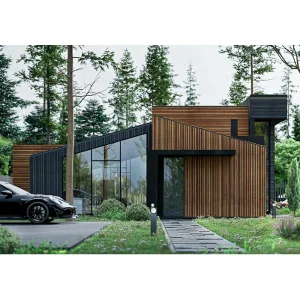
| Light Gauge Steel Villa | G550 Aluzinc Steel (LGS) | OSB Board + Fiber Cement + Glass Wool | Magnitude 9 (Flexible Frame) | AZ150 Protection Layer |
Understanding these nuances ensures that your site cabins don't just meet the aesthetic requirements but withstand local climatic stress. For instance, coastal areas demand high levels of hot-dip galvanizing protection (Z275 minimum) and stainless-steel fastener configurations to avoid accelerated oxidation.
One of the most complex hurdles in importing modular offices is ensuring local building control approvals. Structural loads and electrical standards vary greatly between different jurisdictions. Leading factories, including Ningbo Eky Home Co., Ltd., design modules that can adapt to different testing frameworks.
Requirements include UL-listed wiring systems, ADA-compliant accessibility configurations for commercial modules, and structural wind resistance calculations complying with ASCE 7-16 guidelines.
Requires CE certification for load-bearing structural steel components (EN 1090-1). Furthermore, insulating materials must pass DIN 4102 fire classification tests (A1 or A2 non-combustible).
Requires compliance with wind classifications up to Region D (cyclonic regions) and AS 3000 electrical standards, including specific RCD safety installations.
Below, our technical engineering team addresses the most common questions raised by procurement managers, contractors, and project planners when importing modular buildings.
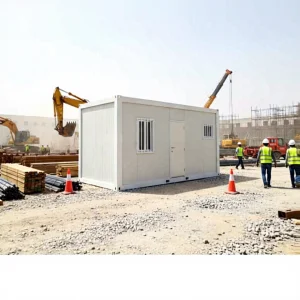
Flat-pack container modules are packed in groups of 4 pieces, matching the overall dimensions of one standard 20ft ISO container. This dramatically lowers maritime freight rates and simplifies local handling. Pre-assembled luxury space capsules or specialized cabins, while requiring special OOG (Out of Gauge) shipping slots, can be connected immediately to utilities once set on site, saving significant local assembly labor costs.
Top exporters use hot-dip galvanized structural profiles (zinc layer density exceeding 120-275g/m²). This is paired with multi-layer marine-grade epoxy coatings. Wall panels are fitted with PVDF exterior skins to prevent degradation from high levels of UV exposure and salt water spray.
Yes. Standard container structures can be stacked 2 to 3 stories high without requiring structural reinforcement. By designing custom structural steel frames, systems can extend up to 5 stories, integrating external staircases, walkways, and shared common areas.
Manufacturers offer extensive customization options (OEM/ODM). This includes selecting from dynamic color schemes for sandwich panels, installing custom fiber cement flooring, partitioning meeting spaces, and pre-routing electrical lines for local power networks.
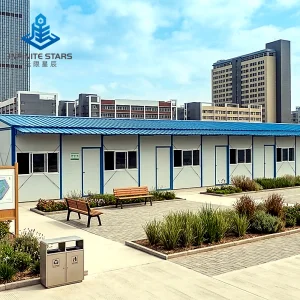
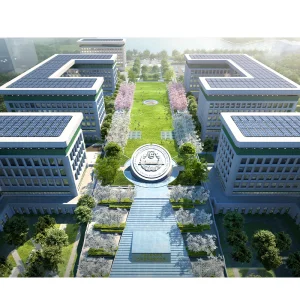
 Eky Home