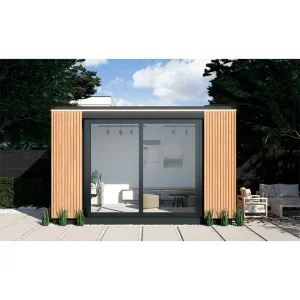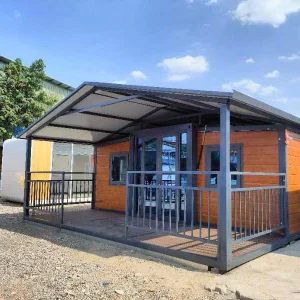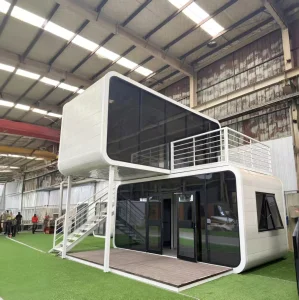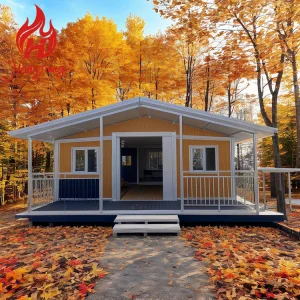
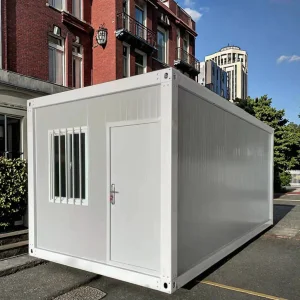
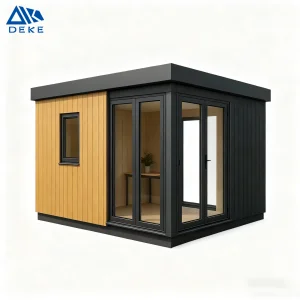
The Japanese building construction sector is undergoing a profound structural evolution. Driven by severe skilled labor shortages (the aging "Kensetsu Gyokai" crisis), soaring traditional lumber costs, and the national push toward carbon neutrality by 2050, commercial and industrial enterprises are rapidly migrating toward off-site fabrication. Portable modular houses and steel-structured containers represent the nexus of this shift. They offer quick deployability, highly standardized structural calculations, and zero construction-site waste.
However, exporting modular housing to Japan is not merely a logistical effort; it requires precision structural engineering that complies with Japan’s strict regulatory framework. For developers, construction contractors, and resource operators throughout Japan—from Hokkaido to Kyushu—success hinges on matching global industrial capacity with rigorous local execution parameters.
Compliance in Japan begins with the Building Standards Act (Kenchiku Kijun-hō). Standard container structures imported without modification typically fail to meet Article 38 approvals. Our engineered modular structures utilize components and steel detailing that accommodate local administrative demands:
Our current technical portfolio bridges the gap between temporary accommodation and permanent architectural viability. Using advanced BIM (Building Information Modeling) design platforms, each component is calculated for maximum load distribution.
By designing modular components for high nesting density during transit, we reduce ocean freight footprint and protect the structural elements from sea-air corrosion. This engineering approach ensures that once the containers land at ports in Tokyo, Yokohama, or Osaka, local mechanical assembly requires minimal onsite labor.
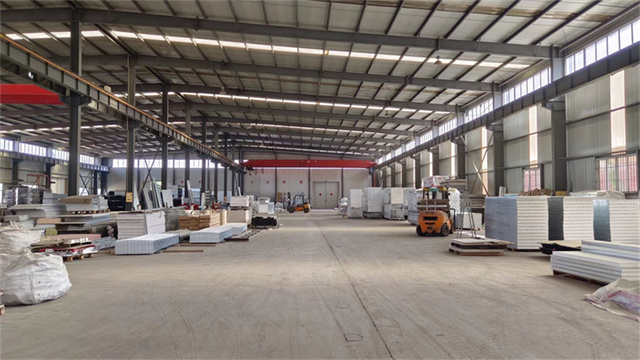
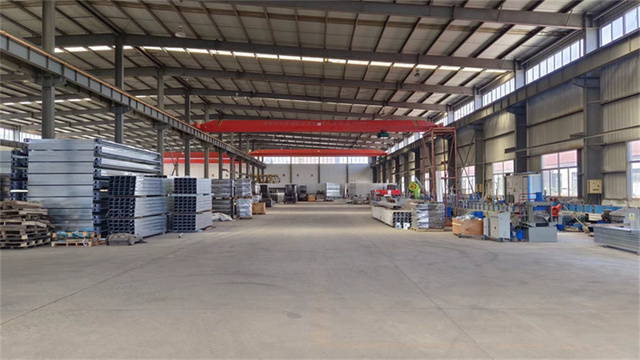
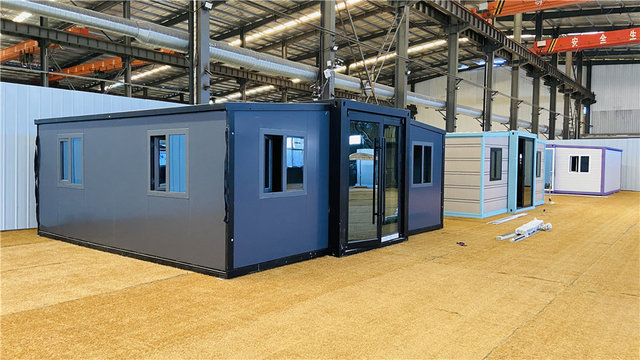
Ningbo Eky Home Co., Ltd. is a leading manufacturer of modular houses, prefabricated homes, and portable building solutions in China. Based in Ningbo—adjacent to one of the world's largest deep-water logistics hubs—we coordinate precision engineering, supply chains, and international transport systems.
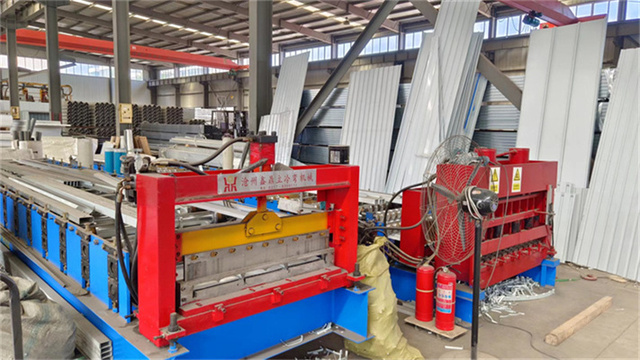
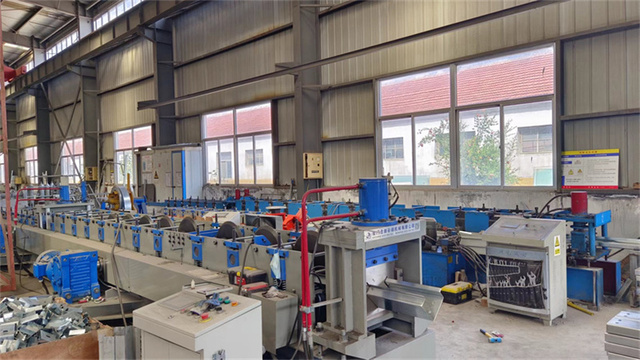
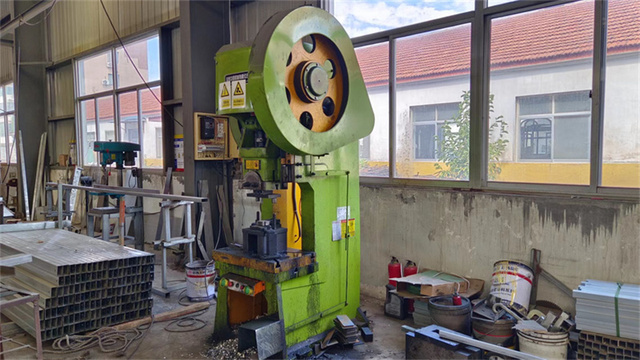
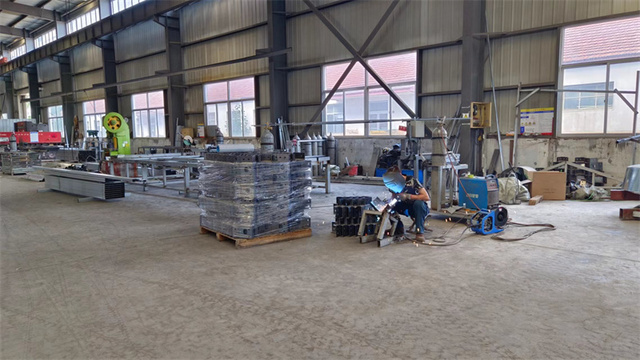
We leverage advanced automated cutting and robotic welding systems to construct robust structural steel frames. This automation minimizes heat-affected zone distortion, maintaining flat planes and consistent dimensions across complex modular assemblies. Our team provides comprehensive OEM and ODM services, delivering customized layouts, integrated plumbing and electrical systems, and architectural finishes designed for quick assembly.
Our quality management system controls every step from raw materials to final checks. Each modular frame undergoes load testing, anti-corrosion coating thickness checks, and alignment verification before packaging. This systematic quality assurance ensures that every module is ready for rapid installation upon arrival at ports like Tokyo, Yokohama, or Osaka.
Strict raw material traceability and quality inspections throughout the manufacturing process.
Off-site fabrication reduces overall building schedules by up to 50% compared to traditional on-site methods.
Direct access to Ningbo Port simplifies international shipping and customs clearance.
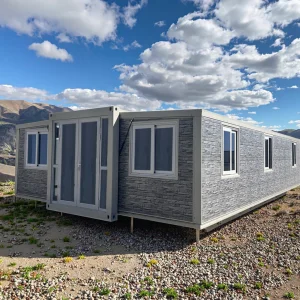
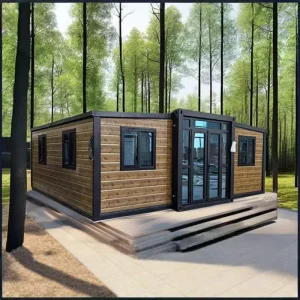
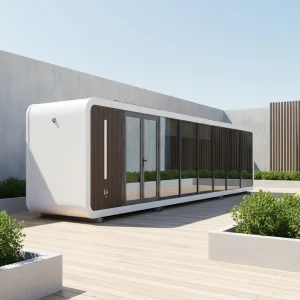
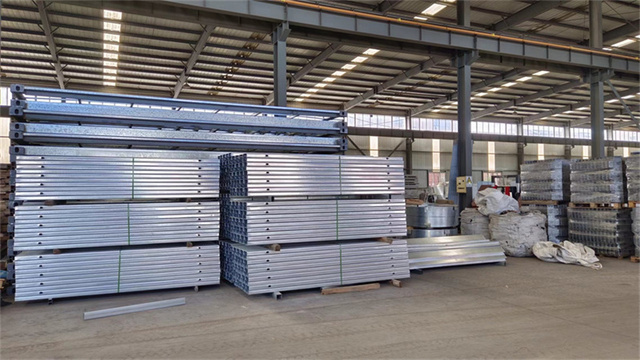
Engineering customized galvanized steel framing designed to meet regional wind pressure and seismic codes, complete with detailed mill certificate documentation.
Offering adaptable layouts, integrated electrical circuits, local plumbing interfaces, and choices of interior finishes to match project requirements.
Structuring components for optimized container loading, reducing international shipping costs while protecting modules during sea transit.
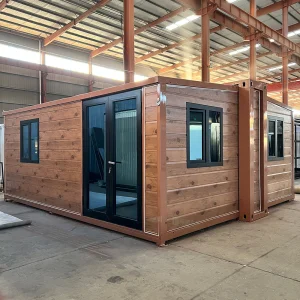

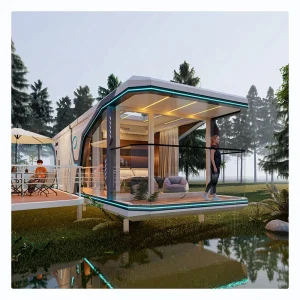
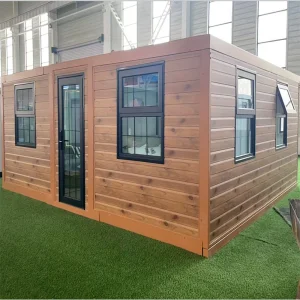
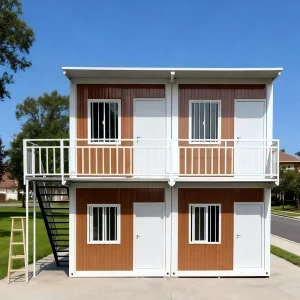
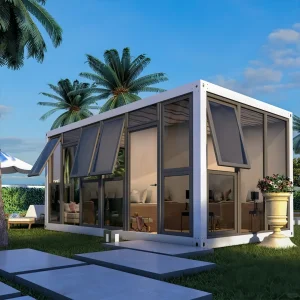
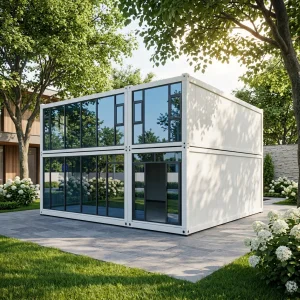
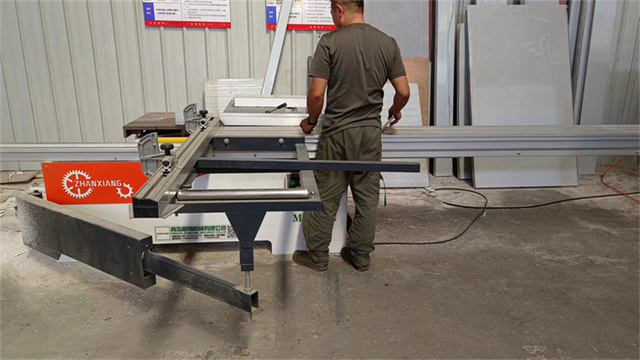
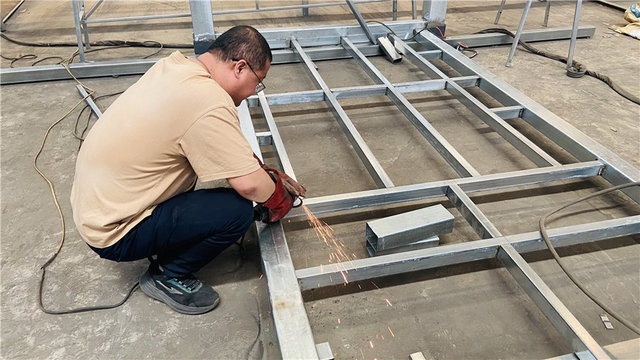
We adapt our structural engineering to meet Japanese requirements, including calculations for seismic loads (Z-coefficient adjustments) and wind pressures. We supply comprehensive structural engineering records and use materials certified equivalent to JIS steel grades to assist with your Kenchiku Kakunin Shinsei (building confirmation application) process.
For cold regions, we offer high-density polyurethane (PU) foam or PIR cores in thicknesses ranging from 75mm to over 150mm. These configurations achieve low U-values, preventing condensation and maintaining interior temperatures.
Modules are shipped either as ISO flat-packs (which stack and secure like standard ocean shipping containers) or in pre-assembled segments loaded onto standard container chassis. Our proximity to the Port of Ningbo allows us to secure frequent, short-transit schedules to major ports across Japan.
Yes. We coordinate OEM routing design for wiring paths and plumbing configurations, allowing your team to complete installations with PSE-marked hardware and local utility connections in Japan.
 Eky Home