The Chicago metropolitan construction landscape faces distinct structural pressures: escalating local unionized labor rates, limited urban infill site spatial capacities, and unpredictable winter weather seasons that restrict onsite construction timelines to a few brief months. To solve these friction points, modern developers, commercial real estate groups, and municipal entities are shifting from conventional build methods to advanced modular systems.
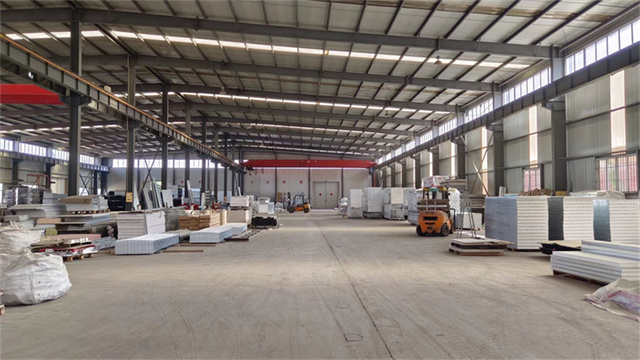
As a pioneering Modern Modular House Supplier, Ningbo Eky Home Co., Ltd. addresses this industrial demand by utilizing sophisticated, factory-controlled prefabrication lines in China. By engineering structurally independent steel-framed modular packages, we ensure that projects destined for the Illinois market are delivered with architectural precision, structural reliability, and superior thermal envelopes. Our global logistics system facilitates direct delivery to project sites, significantly reducing project schedules and overhead expenses.
Explore our curated selection of high-performance architectural modules engineered for diverse site applications across the Chicago metropolitan area.
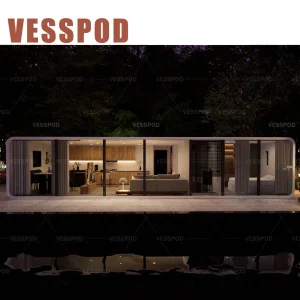
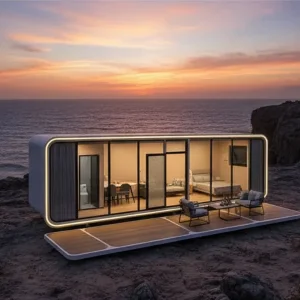
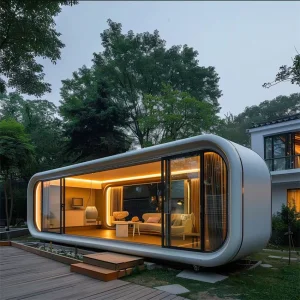
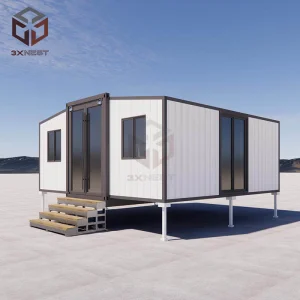
Building in Chicago requires strict compliance with distinct local municipal codes. Under the current Chicago Building Code (Title 14), developers must design structures capable of resisting considerable environmental loads. In accordance with regional weather data, modular residential and commercial buildings must withstand wind velocity pressures based on 115 mph basic wind design limits. These requirements are key to structural safety near Lake Michigan, where high-pressure winds are common.
Furthermore, Chicago's classification within ASHRAE Climate Zone 5A requires advanced thermal performance envelopes to limit heating losses. Standard insulation practices fail to prevent thermal bridging across exposed metal studs. Ningbo Eky Home addresses this by engineering panels with continuous thermal breaks, combining expanded polyurethane (PU) and rockwool core panels to achieve R-values exceeding R-21 for walls and R-49 for roof systems.
To simplify structural approvals, our manufacturing processes can be aligned with the third-party agency inspections required by the Illinois Manufactured Housing Program. This pre-approval path guarantees that each module’s structural frame, electrical wiring, plumbing runs, and mechanical HVAC installations are inspected and approved prior to arriving in the United States. This structural pre-clearance reduces on-site municipal inspection times, transforming month-long local approval processes into brief safety assessments.
Why procurement directors and commercial real estate developers partner with Ningbo Eky Home Co., Ltd.
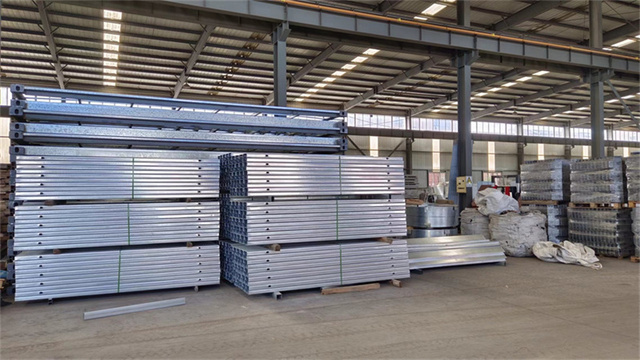
Our proximity to the Ningbo metal manufacturing cluster gives us access to top-grade structural hot-dipped galvanized steel and structural insulated panels (SIPs) at competitive pricing.
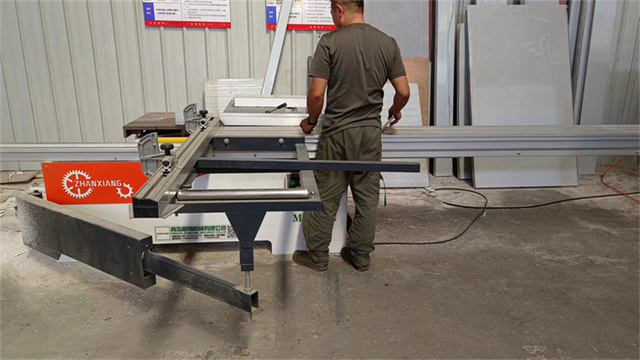
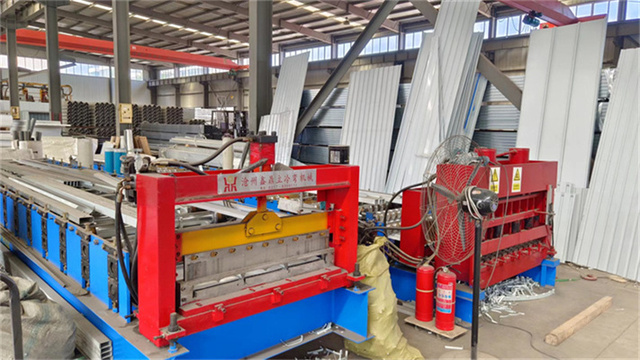
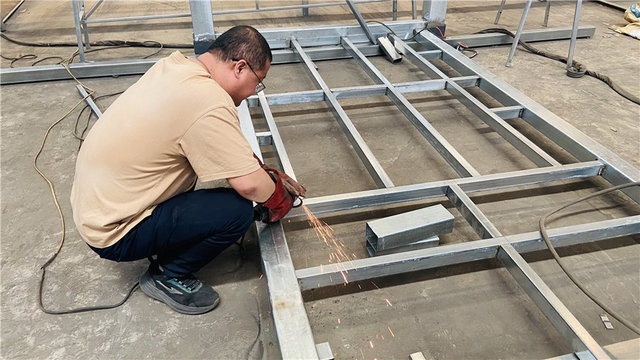
By manufacturing in a controlled factory environment using automated welding systems, we eliminate tolerances discrepancies, structural misalignments, and weather-related material delays.
We offer streamlined intermodal freight shipping from the Port of Ningbo directly to the Port of Chicago via major ocean carriers, including integrated rail connections to ensure safe arrival.
Every construction project has unique requirements. Ningbo Eky Home Co., Ltd. offers extensive OEM and ODM services to adapt our standard floor plans to specific local needs. Our in-house engineering team works closely with US design groups and structural engineers to ensure compatibility with localized requirements:
We install pre-engineered copper conduits, circuit panels, and wiring harnesses that comply with the National Electrical Code (NEC). Similarly, internal drainage, hot/cold water distribution piping, and venting systems use PEX and PVC materials that comply with the International Plumbing Code (IPC).
To meet Chicago’s aesthetic guidelines, we offer diverse external cladding configurations. From modern architectural composite panels and exterior wood-plastic composites (WPC) to fire-retardant cement fiber boards, our structures blend seamlessly into historic neighborhoods or modern commercial developments.
Our units are prepared for quick integration with air-source heat pumps, ductless mini-splits, and Energy Recovery Ventilators (ERV). This equipment helps maintain optimal indoor air quality during Chicago's hot, humid summers and cold winters.
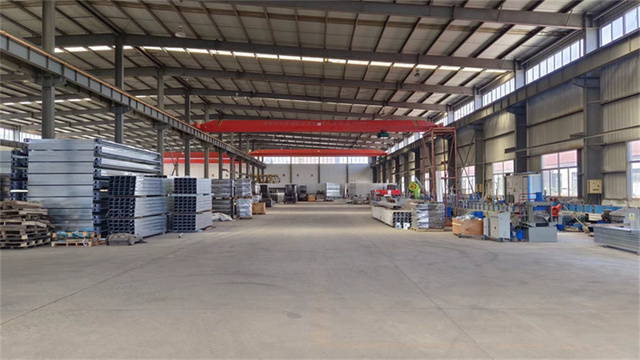
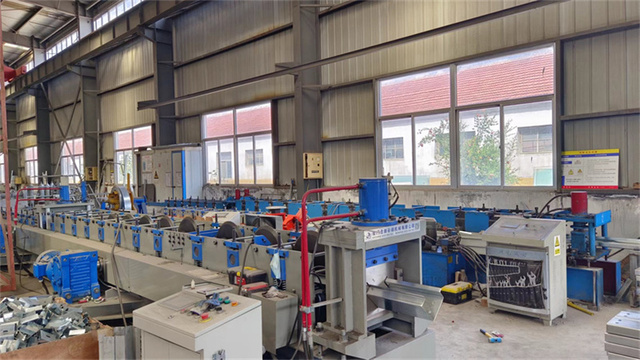
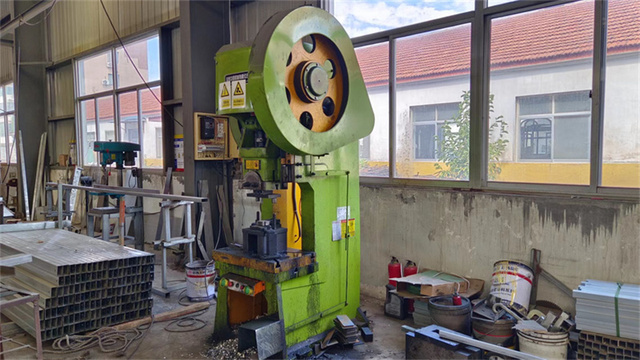
Our modular systems support diverse development portfolios, helping commercial entities achieve high returns on investment.
Rapidly densify urban infill lots with modular villas, multi-family extensions, and accessory dwelling units (ADUs) to optimize rental yields.
Deploy high-durability site offices, command centers, and worker accommodation near O'Hare Airport or regional shipping terminals.
Install prefabricated space capsules and modern steel cabins along Lake Michigan and nearby nature preserves to create high-occupancy glamping and resort options.
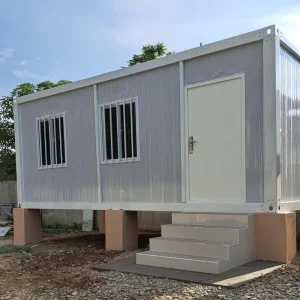
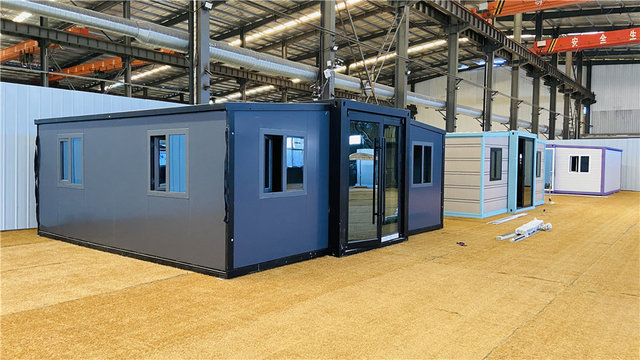
Review our full range of modular designs, including flat-pack, expandable, and capsule models tailored for various commercial and residential projects.
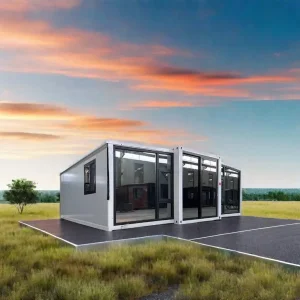
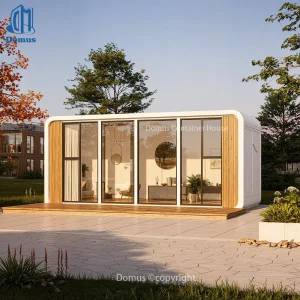
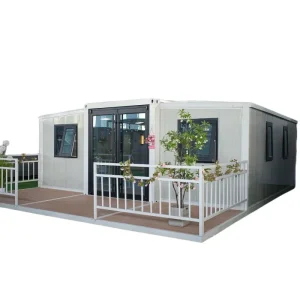
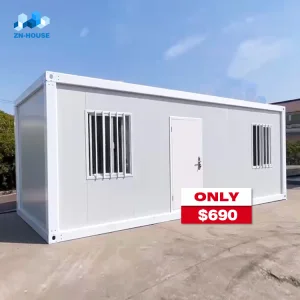
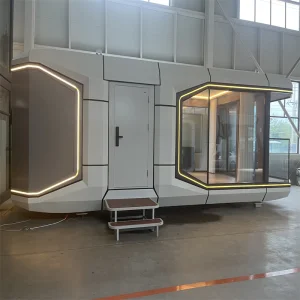

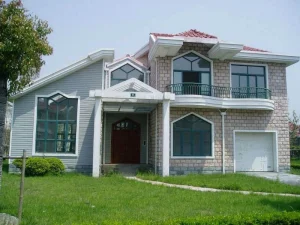
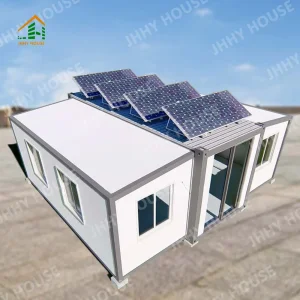
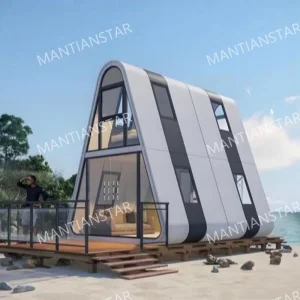
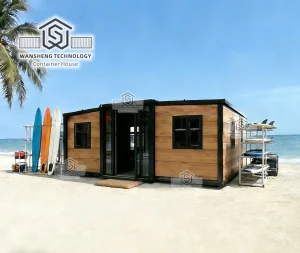
The global modular construction industry is transitioning from simple temporary solutions to permanent, high-performance building systems. Key factors driving this evolution include:
Focusing on high R-value insulation, thermal break structural members, and triple-pane glazing systems to comply with updated International Energy Conservation Codes (IECC).
Utilizing recyclable structural steel frames, non-toxic insulation cores, and sustainably sourced interior finishes to lower the lifecycle carbon footprint of buildings.
Integrating smart shipping logistics systems, where pre-finished modular units are transported directly from manufacturing lines to foundations, minimizing on-site storage requirements.
Get in touch with our engineering team for customized drawings, code compliance reviews, and dynamic pricing models for the Chicago and greater Illinois markets.
Send Inquiry NowFind answers to technical and logistical questions about importing modular houses to Chicago.
 Eky Home